From Obscure Strain to Headline Probiotic
Akkermansia muciniphila has emerged from obscurity to become one of the most studied probiotic strains of 2026 — driven by its documented connection to GLP-1 signaling. A decade ago it was barely known outside of microbiology research labs. Today it is the centerpiece of a growing body of work on gut-derived metabolic hormones and the natural pathways behind some of the same effects that make GLP-1 drugs so impactful.
What Akkermansia Actually Is
Akkermansia is a mucus-layer bacteria that makes up roughly 3-5% of a healthy gut microbiome. Rather than living in the lumen of the intestine like most probiotics, it colonizes the mucus layer that lines the gut wall, where it maintains the integrity of the gut lining and communicates directly with the epithelial cells responsible for metabolic signaling.
The GLP-1 Connection
Akkermansia produces a membrane protein called Amuc_1100 and a secreted compound called P9 — both of which have been shown to trigger GLP-1 release from intestinal L-cells. New research suggests that Akkermansia supplementation can significantly increase endogenous GLP-1 levels, which has direct implications for appetite, glucose regulation, and insulin sensitivity.
The Landmark Clinical Trial
A 3-month randomized trial found pasteurized Akkermansia improved insulin sensitivity by nearly 30%, lowered fasting insulin and total cholesterol, and modestly reduced body fat versus placebo. Notably, the pasteurized form outperformed the live form in human trials — an unusual finding that overturned conventional probiotic thinking.
Who Has Low Akkermansia
Adults with obesity, metabolic syndrome, and those over 50 consistently show lower Akkermansia levels in stool sampling. Antibiotic use, high-fat low-fiber diets, and chronic stress all deplete it. The pattern aligns closely with the same demographic profile most likely to be researching GLP-1 alternatives — which is no coincidence.
How to Support Akkermansia
Three approaches have research support: prebiotic foods (inulin, FOS, and polyphenol-rich foods like pomegranate and cranberry); intermittent fasting periods, which favor mucus-layer bacteria; and pasteurized supplemental Akkermansia. The live form has poor gut survival and lower clinical efficacy than the pasteurized form, which is the opposite of most probiotic categories.
The GLP-1 Drug Connection
Akkermansia is gaining attention as a natural complement — or modest alternative — for people who cannot access or do not want GLP-1 medications. The mechanism is fundamentally different (stimulating endogenous GLP-1 secretion rather than activating receptors directly) and the magnitude is far smaller, but it is accessible, safe, and produces measurable metabolic shifts.
Editorial Reviews
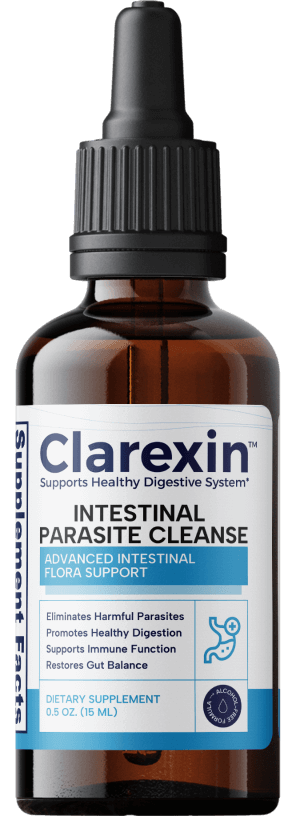
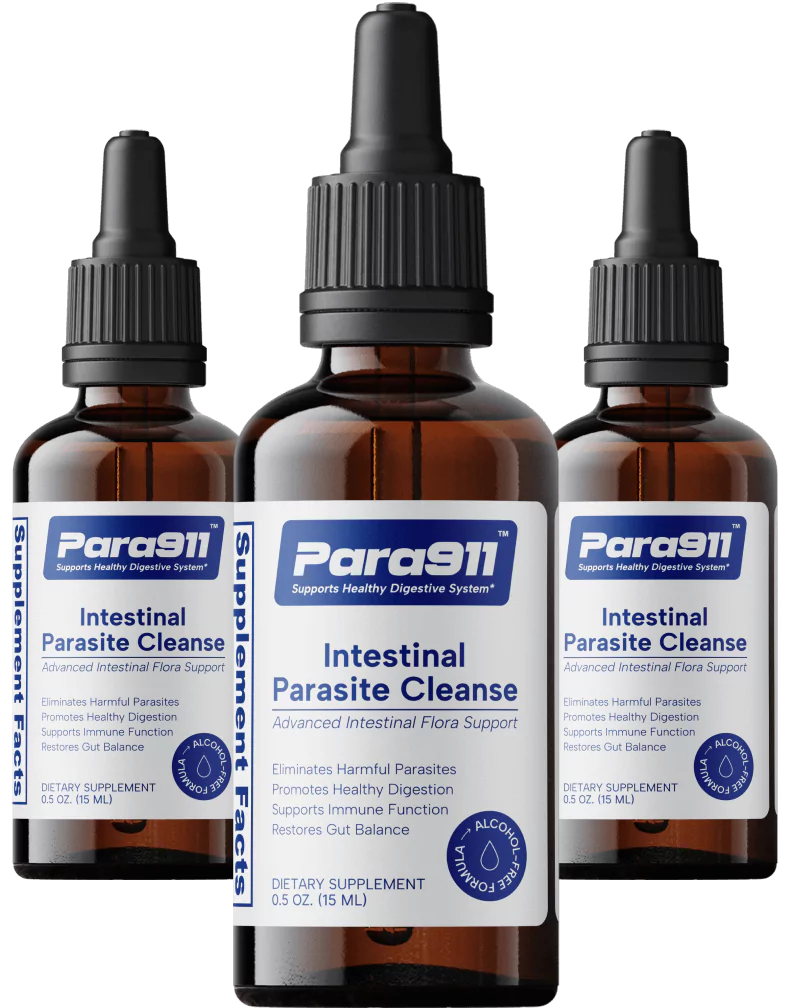
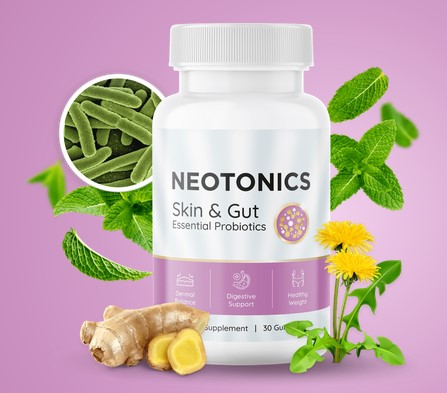
Editorial Recommendation
Ready to take action?
Browse the top-rated supplements our editorial team has reviewed in this category.
Shop Top-Rated Supplements →