What Are Intestinal Parasites?
Intestinal parasites are organisms that live and feed inside the human digestive tract. The most common types in adults include protozoa — single-celled organisms such as Giardia lamblia and Cryptosporidium, typically transmitted through contaminated water or food — and helminths, worm-like parasites including roundworms, tapeworms, and hookworms. Most intestinal parasites enter the body through contaminated food or water, contact with infected soil, or person-to-person transmission.
9 Common Signs of Intestinal Parasites in Adults
Not everyone with an intestinal parasite will experience dramatic symptoms. In many cases, the signs are subtle and develop gradually over weeks or months.
1. Unexplained Digestive Changes
Alternating bouts of diarrhea and constipation, bloating, gas, and abdominal cramping are among the most frequently reported symptoms. These occur because parasites disrupt the normal bacterial balance of the gut and can irritate the intestinal lining.
2. Persistent Fatigue
Parasites compete with the host for nutrients. Over time, this can result in nutritional deficiencies — particularly iron and B12 — which contribute to fatigue that doesn't improve with rest.
3. Unexplained Weight Loss
Some parasites interfere with nutrient absorption, leading to weight loss despite normal or increased food intake.
4. Increased Appetite or Food Cravings
Some people with intestinal parasites report intense food cravings. This may be related to the parasite consuming nutrients before the host can absorb them.
5. Skin Changes
Itching, rashes, or eczema flare-ups can sometimes be linked to intestinal parasites via the immune response they trigger.
6. Sleep Disruptions
The systemic inflammation associated with parasitic infection can affect sleep quality. Some parasites are more active at night, causing direct discomfort.
7. Anal or Rectal Itching
A classic sign of pinworm infection, particularly at night when pinworms lay their eggs.
8. Teeth Grinding During Sleep
Bruxism has been associated in some research with intestinal parasitic infection, possibly related to the immune stress response.
9. Muscle and Joint Pain
Parasites can migrate beyond the intestinal tract and trigger inflammatory responses in muscles and joints.
Who Is at Higher Risk?
- Recent international travel to regions with limited access to clean water
- Consumption of undercooked meat, especially pork, beef, or freshwater fish
- Exposure to contaminated water through lakes or poorly maintained pools
- Working with children in daycare or school settings
- Compromised immune function, including adults over 65
- Contact with animals that spend time outdoors
How Are Intestinal Parasites Diagnosed?
Diagnosis typically involves a stool sample test, which a healthcare provider can order. In some cases, blood tests, imaging, or endoscopy may be used. A single stool test may not always detect parasites — multiple samples over several days are sometimes necessary. If you suspect a parasitic infection, the appropriate first step is always to consult a healthcare provider.
Botanical Approaches to Gut Health Support
Alongside conventional medical care, many adults explore botanical approaches to support general gut health and a balanced intestinal environment. Commonly used botanicals include Black Walnut Hull, traditionally used for its antimicrobial properties; Wormwood (Artemisia absinthium), a bitter herb with documented antimicrobial properties in traditional medicine; Clove, which contains eugenol, a compound with well-documented antimicrobial activity; Berberine, a plant alkaloid with gut-balancing properties; and Ginger and Peppermint, widely used for digestive comfort and healthy gut motility.
Editorial Reviews
Supporting Your Gut Health Long-Term
- Prioritize food hygiene — wash produce, cook meat thoroughly, avoid untreated water when traveling.
- Support your gut microbiome with a diverse, fiber-rich diet and fermented foods.
- Stay hydrated to support gut motility and mucosal lining.
- Consider probiotic support — beneficial bacteria form a key first line of defense in the digestive tract.
- Manage stress — chronic stress has measurable effects on gut permeability and microbiome diversity.
When to See a Doctor
If you are experiencing persistent digestive symptoms, unexplained fatigue, significant weight loss, or any of the more severe signs described above, it is important to consult a healthcare provider. A stool test is a straightforward, non-invasive first step.

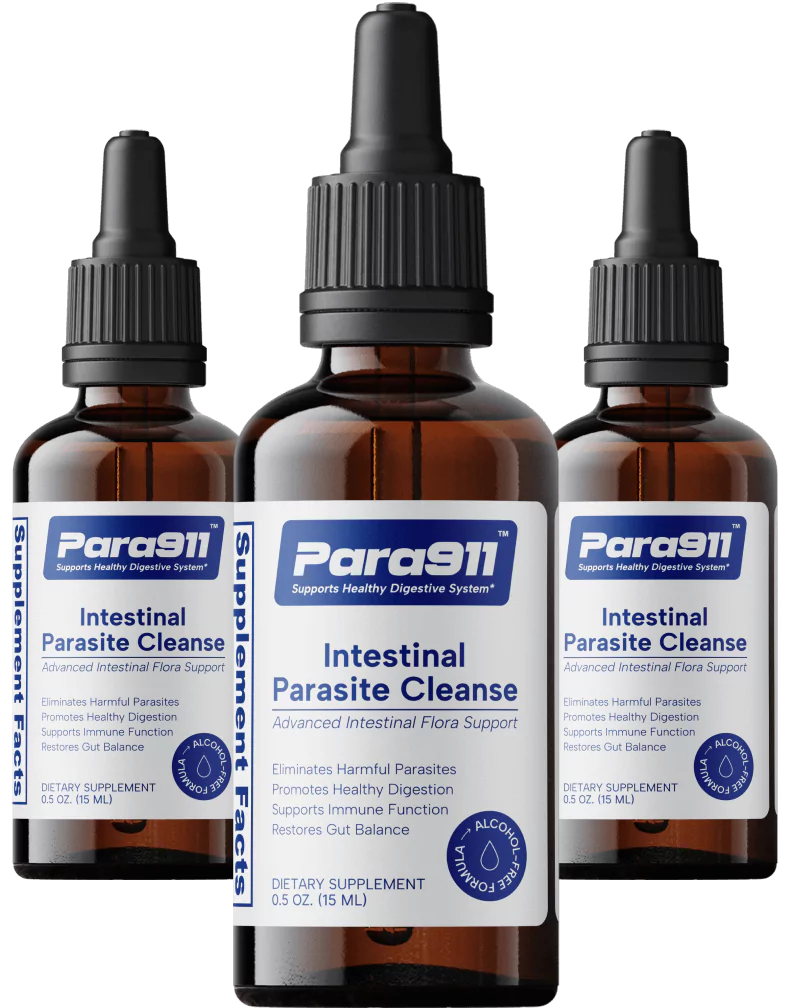




Editorial Recommendation
Ready to take action?
Browse the top-rated supplements our editorial team has reviewed in this category.
Shop Top-Rated Supplements →