That persistent ringing, buzzing, or hissing in your ears has a name: tinnitus. According to the American Tinnitus Association, approximately 15% of adults in the United States live with some form of tinnitus. For many, the sound comes and goes. For others, it's a constant companion that disrupts sleep, concentration, and quality of life.
What Is Tinnitus, Exactly?
Tinnitus is the perception of sound when no external source is present — ringing, buzzing, humming, hissing, or clicking. It falls into two types: subjective tinnitus (most common, originating in auditory nerves or brain processing, often from noise exposure or aging) and objective tinnitus (rare, audible by clinicians, usually vascular or muscular in origin). Most adults over 50 have the subjective variety.
Why Tinnitus Becomes More Common After 50
Four key reasons explain the rising prevalence with age:
- Hair cell deterioration — cochlear hair cells don't regenerate once damaged; decades of noise exposure and oxidative stress affect their function.
- Reduced cochlear circulation — research published in Frontiers in Pharmacology notes vascular changes affecting cochlear microcirculation are closely associated with tinnitus onset in older adults.
- Auditory processing changes — when input from damaged hair cells diminishes, the brain may "fill in" silence with its own noise.
- Medication side effects — certain diuretics, NSAIDs, and antibiotics used more commonly after 50 are considered ototoxic.
The Science Behind Natural Approaches
No single supplement has been proven to cure tinnitus. However, research suggests certain botanicals and nutrients may support the underlying systems — circulation, nerve function, oxidative stress management, and anxiety reduction.
Ginkgo Biloba
Among the most studied botanicals for tinnitus. A 2025 study in the Journal of Clinical Medicine examining standardized Ginkgo biloba extract (EGb 761®) found meaningful improvements in tinnitus symptom scores over 12 weeks. Research in Frontiers in Pharmacology notes its antioxidant and vasodilatory effects may improve cochlear microcirculation. Evidence remains mixed — some large randomized trials found no significant benefit over placebo, and a 2022 Cochrane review acknowledged it as a supportive option while noting inconsistent results.
GABA (Gamma-Aminobutyric Acid)
The brain's primary inhibitory neurotransmitter. Some researchers hypothesize tinnitus may relate to overactive auditory processing. A 2024 observational study found a supplement combining GABA, Ginkgo biloba, L-theanine, melatonin, zinc, selenium, and B vitamins administered for 90 days significantly reduced tinnitus severity — mean Tinnitus Handicap Inventory (THI) scores decreased from 40.8 to 30.9 (p = 0.012).
Magnesium
Plays a role in nerve signal transmission and may help protect auditory hair cells. Research in The International Tinnitus Journal examined a magnesium-dependent tinnitus protocol with supportive results. Also associated with relaxation of smooth muscle — relevant to the vascular component of tinnitus.
Zinc
Deficiency has been identified as a potential factor in tinnitus severity. Research in Otology & Neurotology found zinc supplementation showed meaningful outcomes in patients with zinc-deficient tinnitus.
Vinpocetine
Derived from the periwinkle plant. Primarily known for supporting healthy cerebral and peripheral circulation. May improve blood flow to the inner ear and has neuroprotective properties.
What Lifestyle Factors Play a Role?
- Noise protection — further hair cell damage worsens tinnitus; use hearing protection consistently.
- Sleep quality — tinnitus and sleep disruption create a reinforcing cycle; poor sleep amplifies tinnitus perception.
- Cardiovascular health — blood pressure, cholesterol, and physical activity all influence the inner ear environment.
- Stress and anxiety — the limbic system is closely connected to auditory pathways; stress reduction meaningfully reduces perceived tinnitus intensity.
- Caffeine and alcohol — both associated with increased tinnitus severity in some individuals.
Sound Therapy and Habituation
One of the most effective long-term strategies is not suppressing the sound — it's changing how the brain responds to it. Sound therapy uses background noise or white noise to partially mask tinnitus and facilitate habituation. Tinnitus Retraining Therapy (TRT) combines directive counseling with sound therapy. Cognitive Behavioral Therapy (CBT) has shown consistent results in reducing the emotional impact of tinnitus.
When to Seek Professional Evaluation
Tinnitus that is sudden, occurs in only one ear, or is accompanied by hearing loss, dizziness, or balance problems warrants prompt evaluation. These may indicate Meniere's disease, acoustic neuroma, or vascular abnormalities.
Sources: American Tinnitus Association; Liu D. et al. Frontiers in Pharmacology, 2023; Lisowska G. et al. Journal of Clinical Medicine, 2025; Cevette M.J. et al. International Tinnitus Journal, 2011; Arda H.N. et al. Otology & Neurotology, 2003; NCCIH Ginkgo fact sheet, 2025.
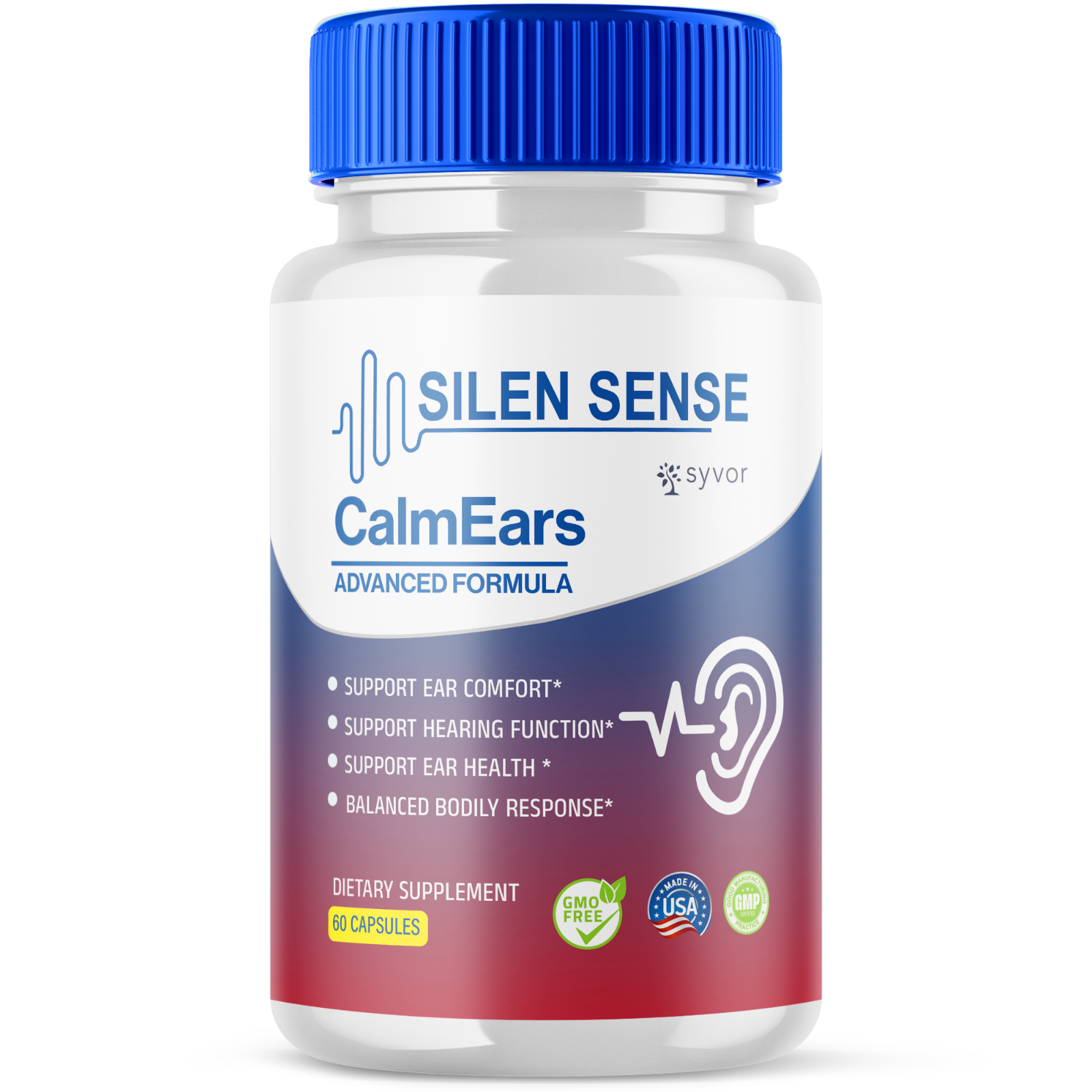
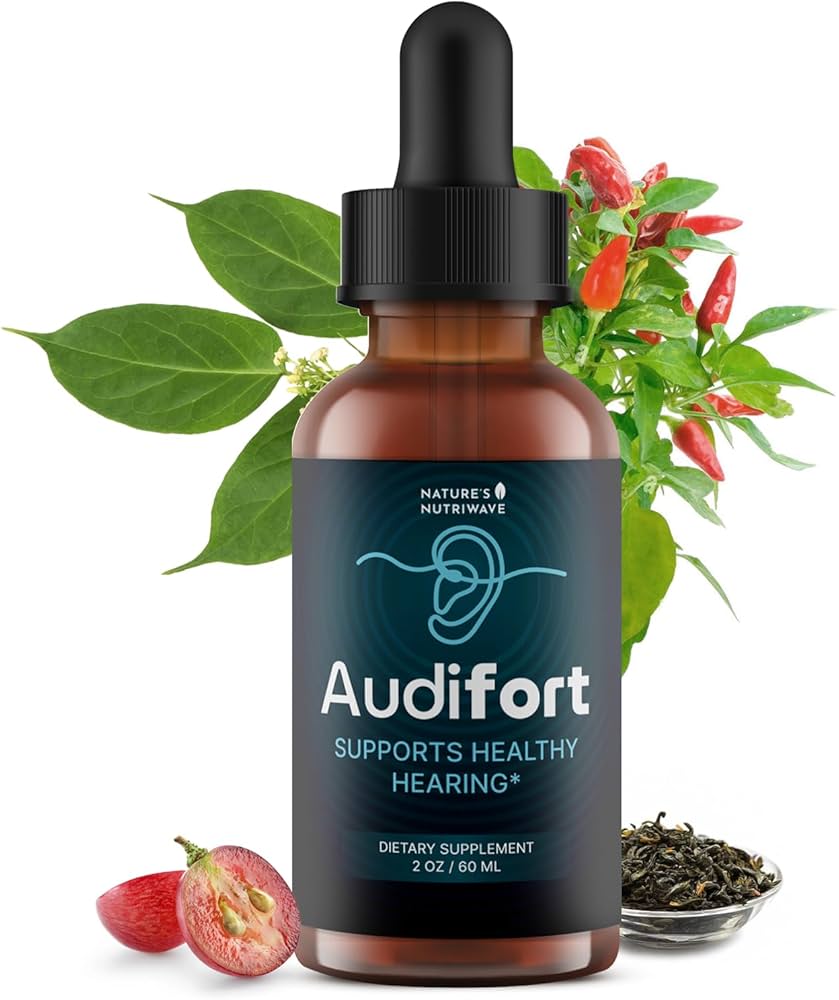

Editorial Recommendation
Ready to take action?
Browse the top-rated supplements our editorial team has reviewed in this category.
Shop Top-Rated Supplements →