The gut is often called the body's second brain. The enteric nervous system lining the gastrointestinal tract contains over 100 million nerve cells and hosts trillions of microorganisms that influence digestion, immunity, mood, and energy. For adults over 45, gut health often becomes more pressing — digestive patterns change, the microbiome shifts, and previously mild symptoms can become persistent.
The Gut Microbiome: A Brief Overview
The gut microbiome refers to the trillions of bacteria, fungi, and other microorganisms living primarily in the large intestine. They break down dietary fiber into short-chain fatty acids, synthesize vitamins including K2 and B vitamins, regulate the immune system, communicate with the brain via the vagus nerve, and maintain intestinal barrier integrity. When this microbial community is disrupted — dysbiosis — the downstream effects can be wide-ranging.
8 Signs Your Gut Health May Need Attention
1. Chronic Bloating or Gas
Persistent bloating regardless of what you eat often signals bacterial imbalance. Certain bacteria produce excess gas when fermenting undigested food.
2. Irregular Bowel Movements
Chronic constipation, diarrhea, or frequent alternation between the two can indicate microbiome imbalance or disrupted gut motility.
3. Unexplained Fatigue
The gut produces approximately 90% of the body's serotonin. An imbalanced microbiome has been associated with chronic fatigue in multiple research contexts.
4. Frequent Illness or Slow Recovery
Approximately 70% of the immune system is located in and around the gut. Poor microbiome health impairs immune training and regulation.
5. Food Intolerances or Sensitivities
Developing new sensitivities to previously well-tolerated foods can signal changes in gut permeability or microbiome composition.
6. Skin Conditions
The gut-skin axis is well-documented. Inflammation originating in the gut can manifest in skin conditions including acne, eczema, and rosacea.
7. Mood Changes, Anxiety, or Brain Fog
The gut produces serotonin, dopamine, and GABA. Adults with dysbiosis frequently report mood changes and difficulty concentrating.
8. Unintentional Weight Changes
The gut microbiome influences caloric extraction from food, fat storage, and hunger hormone function.
What Disrupts Gut Health?
- Antibiotics (most significant disruptor)
- Diet low in fiber and high in processed foods
- Chronic stress
- Poor sleep
- Sedentary lifestyle
- Aging itself — adults over 50 tend to have reduced microbial diversity
Evidence-Based Strategies for Gut Health Support
Increase Dietary Fiber Diversity
Eating 30 or more different plant foods per week is associated with significantly higher microbiome diversity.
Include Fermented Foods
A 2021 Stanford study in Cell found that a high-fermented-food diet increased microbiome diversity and reduced inflammatory markers more than a high-fiber diet alone.
Manage Stress Actively
Given the bidirectional gut-brain relationship, stress management is gut health strategy. Meditation and yoga have measurable positive effects on gut function.
Prioritize Sleep
Consistent sleep supports the circadian rhythms of gut bacteria and reduces cortisol that disrupts gut function.
Consider Probiotic Support
Lactobacillus acidophilus, Bifidobacterium longum, and Lactobacillus plantarum have the most consistent evidence for general gut health.
Editorial Reviews
When to See a Healthcare Provider
Persistent or severe symptoms — significant abdominal pain, blood in stool, unexplained weight loss, or progressively worsening symptoms — warrant medical evaluation. A healthcare provider can assess whether the underlying cause requires specific treatment beyond lifestyle management.

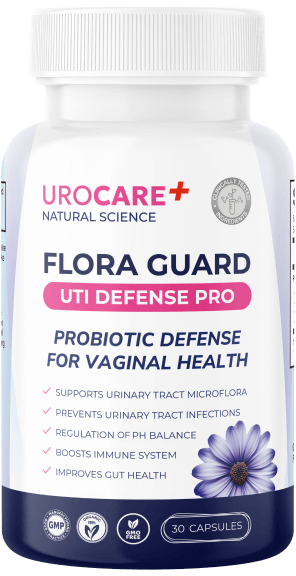
Editorial Recommendation
Ready to take action?
Browse the top-rated supplements our editorial team has reviewed in this category.
Shop Top-Rated Supplements →