What Changes in Gut Health After 50
Declining Microbiome Diversity
Research consistently shows that microbiome diversity — the variety of bacterial species present in the gut — tends to decrease with age. This shift is associated with reduced populations of beneficial Bifidobacterium and Lactobacillus species and relative increases in potentially pro-inflammatory bacteria. A 2019 study in Cell Host & Microbe found that gut microbiome composition in adults over 65 was significantly less diverse than in younger adults, with diversity correlating with overall health status.
Slower Gut Transit
Gastric emptying and intestinal transit time tend to slow after midlife. This can lead to increased fermentation time, bloating, and changes in stool consistency. The slowing is partly due to reduced colonic muscle tone and changes in the enteric nervous system — the network of neurons that coordinates digestive movement independently of the brain.
Reduced Stomach Acid Production
Hypochlorhydria — reduced stomach acid — becomes more common after 50 and affects the first stage of protein digestion, mineral absorption (particularly iron, calcium, and B12), and the gut's barrier against swallowed pathogens. Many older adults with hypochlorhydria are undiagnosed because symptoms overlap with excess acid conditions.
The Impact on Immunity and Inflammation
The Gut as Immune Headquarters
Approximately 70% of immune tissue is concentrated in the gut-associated lymphoid tissue (GALT). As the microbiome changes with age, this immune tissue receives different microbial signals — contributing to the low-grade systemic inflammation associated with aging (sometimes called inflammaging). Supporting a diverse, balanced microbiome is therefore relevant not just to digestion but to broader immune function.
Gut Permeability and Systemic Effects
Increased intestinal permeability — sometimes described informally as leaky gut — has been observed in older adults and may allow bacterial components to cross the gut lining and trigger systemic immune responses. Research published in Gut journal has associated increased permeability with elevated inflammatory markers in aging populations.
Nutritional Approaches to Microbiome Support
Dietary Fibre as Prebiotic Fuel
Fermentable dietary fibre — found in vegetables, legumes, whole grains, and fruit — serves as the primary food source for beneficial gut bacteria. The Mediterranean dietary pattern, which is consistently associated with better health outcomes in older adults, derives much of its microbiome benefit from high prebiotic fibre intake. Research suggests 25-38g of fibre daily, though most adults over 50 consume significantly less.
Fermented Foods
Yoghurt, kefir, kimchi, sauerkraut, and miso provide live cultures that may transiently supplement the microbiome. A 2021 Cell paper by Wastyk et al. found that a high-fermented-food diet increased microbiome diversity and reduced inflammatory markers compared to a high-fibre diet — suggesting fermented foods have a distinct mechanism from fibre alone.
Polyphenol-Rich Foods
Polyphenols — found in berries, green tea, olive oil, and dark chocolate — have prebiotic-like effects, selectively feeding beneficial bacterial species. Ellagitannins from pomegranate are metabolised by gut bacteria into urolithins, compounds associated with mitochondrial health and muscle function in older adults.
When to Consider Probiotic Supplementation
Indications for Supplement Use
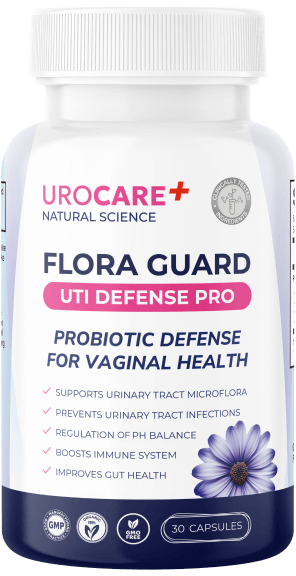
Probiotic supplementation may be worth considering after antibiotic use (to help re-establish microbiome balance), during periods of dietary disruption, or when digestive symptoms are persistent. Supplements are also used by adults who find it difficult to obtain adequate probiotic foods through diet.
What to Look For in a Probiotic
Strain specificity matters — different strains have different effects. Look for products that identify strains by full name (e.g. Lactobacillus rhamnosus GG rather than generic Lactobacillus), include colony-forming unit (CFU) counts at expiry rather than manufacture, and have GMP certification.
Supporting Your Gut Health After 50
- Prioritise dietary diversity — aim for 30 or more different plant foods per week as a practical target for microbiome diversity.
- Include fermented foods where tolerated — yoghurt, kefir, or fermented vegetables at most meals.
- Maintain hydration — gut motility depends on adequate fluid intake, particularly important as thirst sensation declines with age.
- Move regularly — physical activity is independently associated with higher gut microbiome diversity.
- Manage stress — the gut-brain axis means chronic stress has measurable effects on gut barrier function and microbial balance.
- Consult a healthcare provider if digestive symptoms are new, persistent, or accompanied by blood, significant weight loss, or fever.
Gut health changes in predictable ways after 50 — microbiome diversity narrows, transit slows, and acid production may fall. Dietary strategies — centred on diverse plant foods, fermented foods, and adequate hydration — remain the strongest evidence-based approach. Probiotic supplements may offer targeted support, particularly after antibiotic use or when dietary patterns are limited.

Editorial Recommendation
Ready to take action?
Browse the top-rated supplements our editorial team has reviewed in this category.
Shop Top-Rated Supplements →